
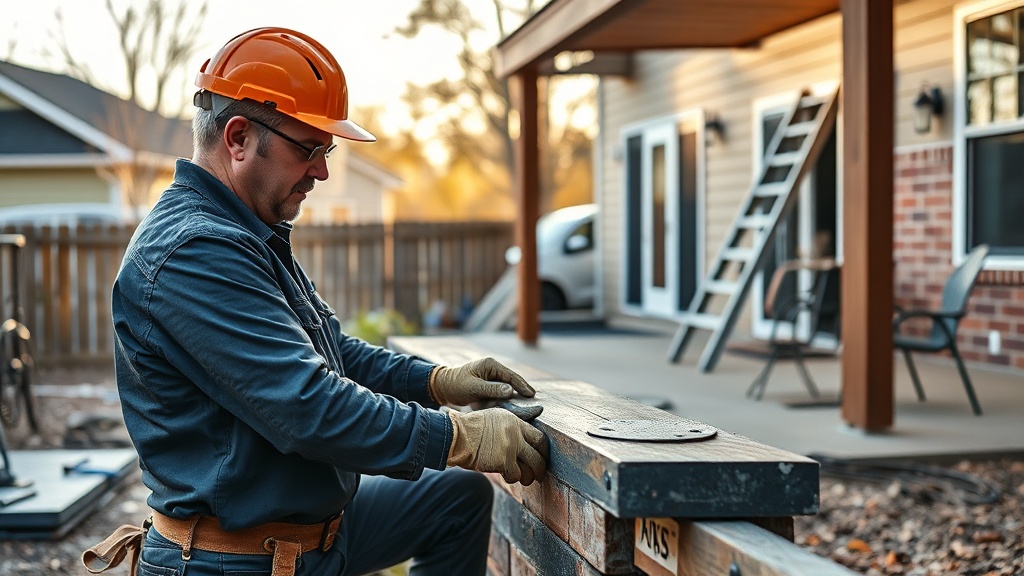
The Mistake That Costs Homeowners $8,000 to Fix
Picture this: you spend three weeks picking out the perfect travertine pavers for your patio. The crew lays them beautifully. Then the pool excavation crew shows up and drives a mini-excavator across the corner of your new hardscape to access the backyard. Two pallets of pavers — cracked, shifted, done.
This isn’t a rare horror story. Our team at kirkspool.com hears a version of it every season, mostly from homeowners who hired separate contractors who never talked to each other. The fix runs $4,000 on the low end, often double that when the sub-base gets compromised.
The right backyard construction sequence isn’t complicated once you see the full picture. But most articles only answer the pool-or-deck question and leave out everything else — the kitchen, the lighting, the landscaping, the pool surround. This article covers the whole build, in order, with real timelines from projects we’ve completed across Greenwood, Augusta, Greenville, and the Lowcountry.
Why the Pool Almost Always Comes First
The pool is the heaviest, messiest, most disruptive part of any backyard build. Excavation for an inground pool — whether fiberglass or vinyl — means heavy equipment, removed soil (often 30 to 50 tons of it), and weeks of construction activity that tears up whatever is nearby.
Installing the pool before the deck or patio is the foundational rule of patio and pool installation order, and here’s the practical reason: every other element in your yard gets designed around the pool’s final position. The pool shell sets the geometry for everything else.
Fiberglass pools have a slight edge in sequencing because they arrive as a single pre-formed unit and drop into the excavation in a day. The surrounding work can begin sooner. Vinyl liner pools take longer to build on-site, which pushes the patio timeline back by two to four weeks on a typical project.
One detail most people don’t think about: the pool deck or surround material needs to be chosen before excavation, not after. Why? The concrete bond beam that forms the pool’s top edge is poured at a specific height. That height is set based on your finished deck elevation. If you decide later that you want a raised deck or a step-down patio, you may be looking at expensive coping adjustments. Locking in your hardscape design early saves that conversation entirely.
The Full Backyard Construction Sequence, Phase by Phase
Phase 1: Site Prep and Permits (Weeks 1–3)
Before any shovel goes in the ground, permits need to be pulled. In South Carolina, pool permits are typically issued at the county level and require a site plan showing setbacks from property lines, the home’s foundation, and any easements. Greenville County and Richland County have different processing times — budget two to three weeks in most markets, longer in coastal areas like Bluffton where environmental review adds steps.
This is also when underground utility locates happen. If you’re planning an outdoor kitchen with a gas line or a lighting system with buried conduit, those routes need to be mapped now, before excavation disturbs the yard. Rerouting a gas line after the pool deck is poured can add $2,500 to $4,000 to the job.
Phase 2: Pool Excavation and Installation (Weeks 3–8)
Excavation is the most disruptive phase. Expect equipment access to remove topsoil and sod across a wide swath of the yard — typically 20 to 30 feet beyond the pool shell on at least two sides. Anything you want to preserve near the work zone should be marked clearly before the crew arrives.
For pool and deck installation order, the rule is simple: the pool structure must be complete and backfilled before any permanent hardscape goes down adjacent to it. For fiberglass pools, backfill is typically gravel or a flowable fill mix. That material settles over the first few months. Pouring a concrete patio on top of unsettled backfill is one of the most common causes of cracked pool decks we see on renovation jobs.
Our recommendation — backed by what we’ve observed on hundreds of South Carolina and Georgia installs — is to wait a minimum of 30 days after backfill before pouring any concrete adjacent to the pool. Pavers on a properly compacted base can go down sooner, which is part of why they’re the preferred choice around pools in this region.
Phase 3: Pool Surround and Patio (Weeks 8–12)
Now the patio goes in. This is the phase most homeowners are most excited about, and it’s where sequencing details really matter. The pool coping — the cap material that runs along the pool’s edge — gets installed first, then the surrounding deck or patio ties into it.
Popular choices in South Carolina and Georgia include brushed concrete (lowest cost, around $8–$12 per square foot installed), travertine or porcelain pavers ($18–$28 per square foot), and cool-deck or kool-coat textured surfaces that stay 10 to 15 degrees cooler underfoot in July heat. That last point matters a lot when your pool deck faces west and absorbs afternoon sun in Greenville or Augusta.
The patio beyond the immediate pool surround can be poured or laid at the same time, which is usually the most cost-efficient approach — one mobilization, one crew, one continuous project.
Phase 4: Outdoor Kitchen and Fireplace (Weeks 10–14)
Outdoor kitchens and fireplaces go in after the hardscape base is set, but the rough-in work — gas lines, electrical conduit, water supply for a sink — should be planned during Phase 1 and stubbed out before the patio is poured. Cutting trenches through new concrete for overlooked utility lines is an expensive lesson that comes up more than it should.
For a built-in outdoor kitchen on a concrete pad, expect the structure itself to take five to ten business days once materials are on-site. Prefab modular kitchens go faster. Custom masonry fireplaces take longer — typically two to three weeks for a well-built structure that will last 20 years in this climate.
Phase 5: Landscaping (Weeks 12–16)
Landscaping is almost always last, and for good reason. Construction traffic kills plants. Backfill settling shifts grade. Irrigation systems need to know where every structure sits before they’re designed.
Sod and planting beds go in after all hardscape is complete and final grade is established. In South Carolina’s climate, spring and early fall are the best windows for sod establishment. Bermuda and Zoysia — the dominant choices here — root fastest when soil temperatures are between 65 and 85 degrees, which makes April through May and September through October the ideal planting windows.
One thing most contractors won’t tell you upfront: budget for re-grading. Construction almost always moves soil in ways that affect drainage, and the last thing you want is water pooling toward your pool equipment pad or your home’s foundation after a heavy summer storm.
Phase 6: Lighting (Weeks 14–16)
Exterior lighting is the finishing layer. Pool lighting (LED in-pool fixtures) is wired during pool installation — that part is baked in. But landscape lighting, step lighting, and outdoor kitchen lighting gets run after hardscape and before final landscaping.
Low-voltage landscape systems can be installed after sod goes down, but hardwired systems with buried conduit need trenching before the yard is finished. Plan for this in Phase 1 even if the lighting design isn’t finalized. Running a couple of extra conduit sleeves under the patio costs almost nothing during construction and saves major work later.
A Realistic Timeline for the Full Build
For a full backyard build — inground pool, surrounding patio, outdoor kitchen, and landscaping — budget 14 to 20 weeks from permit submission to final walkthrough. That timeline assumes no major weather delays, which in South Carolina’s summer storm season is not a safe assumption. Builds that start permitting in February tend to have pools swim-ready by Memorial Day. Builds that start in April often finish in August.
The projects that stay on schedule share one thing: a single point of coordination. When the pool contractor, patio crew, and kitchen builder are all working from the same site plan and communicating with each other, the sequencing problems that cost homeowners thousands of dollars simply don’t happen.
What Pool Care Looks Like Once You’re Swimming
After the build wraps, pool care in South Carolina requires more attention than homeowners expect. The combination of high heat, heavy pollen seasons, and afternoon thunderstorms that dump organic debris into the water means South Carolina pools need chemical checks two to three times per week during peak summer, not the once-a-week routine many manufacturers suggest.
Saltwater systems have become the dominant choice on new installs in this region for good reason — they’re gentler on both swimmers and the surrounding patio materials, and they reduce the cost and hassle of weekly chlorine dosing. That said, salt is corrosive to certain metals and stone types, so specify salt-compatible coping and equipment during the design phase, not after.
For homeowners thinking about a future renovation rather than a new build, knowing when to resurface a pool is worth understanding early. Plaster surfaces typically last 10 to 15 years. Pebble and aggregate finishes push 20 to 25 years with proper chemical balance. Vinyl liners in this climate usually need replacement every 8 to 12 years depending on sun exposure and chemical history.
Get the Sequence Right the First Time
Every phase of a backyard build affects every other phase. The decisions you make about your patio material affect your pool coping selection. The location of your outdoor kitchen affects where your gas line gets stubbed. The drainage plan affects where your landscaping beds can go.
Getting the backyard construction sequence right from the start isn’t about being overly cautious — it’s about protecting an investment that runs $60,000 to $150,000 or more for a full outdoor build in this market. Doing it in the right order the first time costs nothing extra. Redoing it costs a lot.
If you’re planning a pool, patio, or full outdoor living project in South Carolina or Georgia, the team at kirkspool.com has built projects across Greenwood, Greenville, Augusta, Bluffton, and everywhere in between. Reach out to talk through your site, your timeline, and the sequence that makes sense for your specific backyard.